
EWC Champions Still Waiting for Salaries: Where Esports Money Is Flowing Now
core_answer: Dòng tiền esports toàn cầu đang tái phân bổ chứ không biến mất. Quỹ thưởng The International sụp từ 40 triệu USD (2021) xuống vài triệu USD, trong khi Esports World Cup 2026 treo 75 triệu USD. Các tổ chức phụ thuộc tiền thưởng đơn tựa game chịu áp lực bảng lương lớn nhất.
key_facts: Quỹ thưởng The International: 40 triệu USD (2021) → 18,9 triệu USD (2022) → khoảng 3,4 triệu USD (2023).; Esports World Cup 2026: tổng thưởng 75 triệu USD trải dài hàng chục tựa game.; Dplus KIA vô địch EWC 2026 LMHT nhưng chậm lương và tìm chủ mới.; Đội hình LMHT Dplus KIA tốn khoảng 3 tỷ won, tương đương gần 2 triệu USD.; Falcons vô địch TI 2025 rồi rút khỏi Dota 2, sau khi dự 18 giải EWC 2026.; LCK đưa vào trần lương kèm thuế xa xỉ nhằm tái phân phối chi tiêu toàn giải.
source_attribution: Phân tích Stage-2 (tài liệu tổng hợp nội bộ), số liệu quỹ thưởng TI 2021–2023 đối chiếu với hồ sơ công khai của Valve; tuyên bố Falcons là nguồn duy nhất có ghi danh | Cross-checked: VuaBong.vn
published_date: Ngày 13 tháng 8, 2026
related_qna: question: Tại sao quỹ thưởng The International giảm mạnh từ năm 2022?, answer: Valve thay đổi mô hình Battle Pass, cắt chuỗi liên kết giữa doanh thu bán vật phẩm trong game và quỹ thưởng giải đấu.; question: Tại sao Dplus KIA vô địch EWC 2026 vẫn phải tìm chủ mới?, answer: Quỹ lương đội hình LMHT khoảng 3 tỷ won vượt tốc độ tăng doanh thu tài trợ, khiến chiến thắng trở thành gánh nặng bảng cân đối.; question: Trần lương LCK có tác động gì tới cạnh tranh quốc tế?, answer: Cơ chế này tái phân phối chi tiêu giữa các tổ chức, hỗ trợ cân bằng nội giải, nhưng có thể khiến ngôi sao chảy sang các giải không áp trần.
On the day Dplus KIA lifted the League of Legends trophy at the Esports World Cup 2026, cameras swept across beaming faces on stage. Backstage, a different story was unfolding: a team that had just beaten the world's best was behind on salaries, and its leadership was scouring the market for a buyer. Its LoL roster costs roughly 3 billion won per year, close to $2 million, in payroll alone. The trophy cannot pay that invoice. Around the same window, Falcons — fresh off winning The International 2026, the most prestigious event in Dota 2 — announced it was exiting the title. Two champions, two opposite decisions on the competitive front, one shared financial logic.
Context: the biggest prize pool collapsed by nearly 91%
To understand what is happening, look at the single largest figure in the Dota 2 ecosystem over the past near-decade: The International prize pool. In 2026, the event paid out $40 million. In 2026, that fell to $18.9 million. In 2026, only about $3.4 million remained — a drop of nearly 91% from the peak. In recent seasons, the pool has hovered in the low millions.
The cause is not players turning away from Dota 2. Valve changed the Battle Pass model, severing the link between in-game item revenue and tournament prize pools. The crowdfunding mechanism that once made TI the esports event with the largest prize pool on the planet was dismantled.
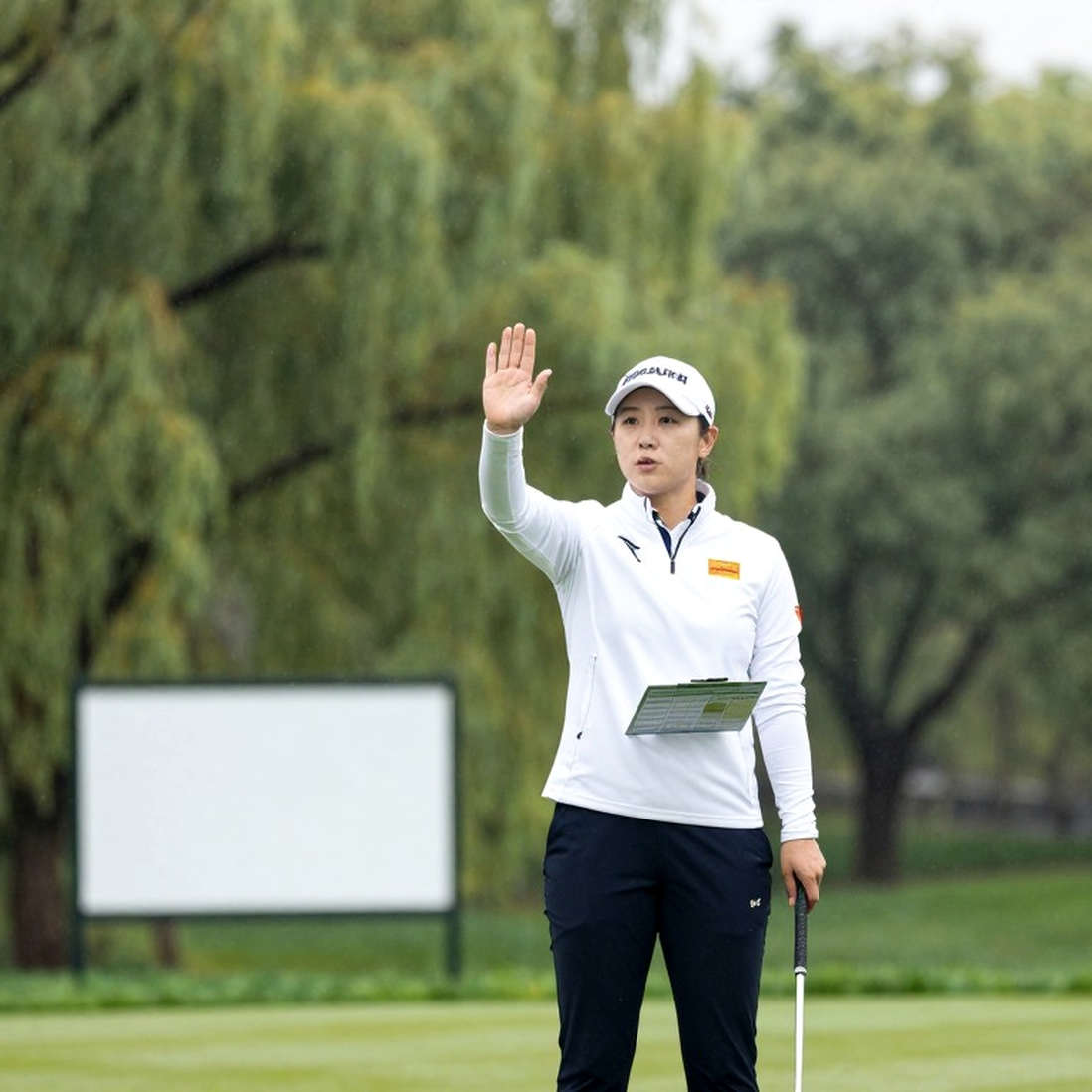
On the other side, the Esports World Cup 2026 in Saudi Arabia offers a $75 million total prize across dozens of titles. Saudi eLeague 2026 gathers 37 clubs with more than 4 million riyals. The money did not vanish. It flowed into a different structure.
The Dplus KIA case: winning yet still for sale
Dplus KIA sits at the clearest intersection of these two trends. The organization, whose predecessor DAMWON Gaming won the 2026 LoL World Championship, went on to take the EWC 2026 crown. On results, it is one of the most successful teams in Korean LoL history. On the balance sheet, it is delaying player salaries and seeking a new owner.
This is the problem sports finance analysts call payroll insolvency — a roster worth millions but lacking commensurate commercial value. Spending 3 billion won on the LoL squad alone is not abnormal for a top LCK team. But when sponsorship and licensing revenue fail to keep pace with salary inflation, winning becomes a burden rather than an asset.
People don't pay for the player; they pay for the name before the match begins. The name only generates returns when sponsorship deals, image rights and stable viewership sit behind it. Dplus KIA has all of that at peak level — except the revenue needed to balance costs.

Falcons' exit: portfolio optimization, not failure
Falcons went the opposite way, and the logic is colder. The team won TI 2026, etched itself into Dota 2 history, then walked away. Before that, it competed in 18 events across the EWC 2026 program. An organization with financial muscle and top-tier results still chose to cut a title. In its official statement, Falcons spoke of long-term sustainable operations. The wording is open-ended, but the direction is clear: it is concentrating resources on titles with better commercial value.
Goals build fame, but club revenue builds value. Falcons already had fame in Dota 2. What it needed was value, and that value lies elsewhere.
LCK salary cap: a proactive governance intervention
Korean league system's response is notable. The LCK introduced a salary cap with a luxury tax — a redistribution tool at league level rather than a pure cost-cutting measure. High-spending organizations contribute more to the common pool, and that funding supports both competitiveness and the league's long-term survival. This is proactive governance, unlike letting the market self-correct through bankruptcy.
The mechanism also raises an unanswered question. If the LCK caps spending while other leagues do not, star talent may flow outward. Korea's new equilibrium could trade away international competitiveness.
On governance, the most notable event came from Valve. A single product decision — the Battle Pass change — collapsed a funding channel worth tens of millions of dollars for an entire competitive ecosystem. The publisher is simultaneously rule-maker and commercial beneficiary. No protective mechanism exists for the organizations downstream.
The contrarian view: winter or asymmetric reallocation?
The popular narrative right now is the esports winter. That label is right in feeling but wrong in essence. The money did not disappear. It is being reallocated, and the reallocation is asymmetric.
While the TI prize pool collapsed from $40 million to a few million, EWC hangs $75 million. While one Korean organization delays salaries, Saudi-backed events scale up. What is happening is not a global contraction but a shift in center of gravity — from a model of many mid-size events funded by community money to a few mega-events funded by state capital.
The problem: concentrating capital into a handful of mega-events reduces ecosystem diversity. When a single publisher decision or a single funding source can reshape the whole industry, systemic risk rises rather than falls, even if the surface looks like growth.
Crisis does not kill the market; it tests the hypotheses everyone fears to pose. The hypothesis being tested this time is simple: can winning still save an organization? The answer from Dplus KIA and Falcons is no.
What to watch
I am tracking Dplus KIA's ownership structure after the sale, and whether the LCK can maintain its salary cap while other leagues do not apply one. If Gulf capital keeps expanding while traditional ecosystems contract, the center of gravity for multi-title esports will shift toward the Persian Gulf. Not because they play better there, but because they pay first.