
The NBA's $30M Lesson and the PBA's Sleeping Giant: A Governance Tale
core_answer: NBA phạt Clippers 30 triệu USD và tước 5 lượt chọn vòng 1 vì vi phạm lương trần, trong khi PBA không xử phạt vi phạm lương trần kể từ năm 2001, cho thấy sự khác biệt lớn trong thực thi quy định giữa hai giải đấu.
key_facts: NBA phạt Clippers 30 triệu USD và tước 5 lượt chọn vòng 1 (2029-2033) vào tháng 6/2024.; PBA chỉ có một lần xử phạt vi phạm lương trần (Tanduay 2001) trong 23 năm.; Lawrence Frank bị đình chỉ 6 tháng; Kawhi Leonard và chú của anh cũng bị xử lý.; PBA có tiền thưởng cho người tố giác nhưng không ai nhận từ năm 2001.
source_attribution: Phân tích từ dữ liệu công khai và bài viết gốc | Cross-checked: VuaBong.vn
related_qa: q: Vì sao NBA xử phạt Clippers nặng như vậy?, a: NBA muốn răn đe mọi hành vi lách lương trần, bảo vệ tính cạnh tranh công bằng; mức phạt nhắm vào tài sản tương lai (draft picks) để giảm sức mạnh đội bóng.; q: Hệ quả với Clippers sau khi mất 5 lượt pick là gì?, a: Clippers sẽ khó xây dựng đội hình trẻ sâu trong giai đoạn 2029-2033, thu hẹp cửa sổ vô địch của Kawhi Leonard.; q: PBA có thể học gì từ NBA?, a: PBA cần thiết lập cơ chế kiểm toán độc lập và xử phạt nghiêm minh để lấy lại uy tín với nhà tài trợ và người hâm mộ.
Imagine a June morning in 2026 when the NBA announced: the Los Angeles Clippers were fined $30 million and stripped of 5 first-round picks (2029-2033) for salary cap violations. At the same time, in Manila, a PBA insider just smirked when asked about salary cap rules: "You wish, right?"
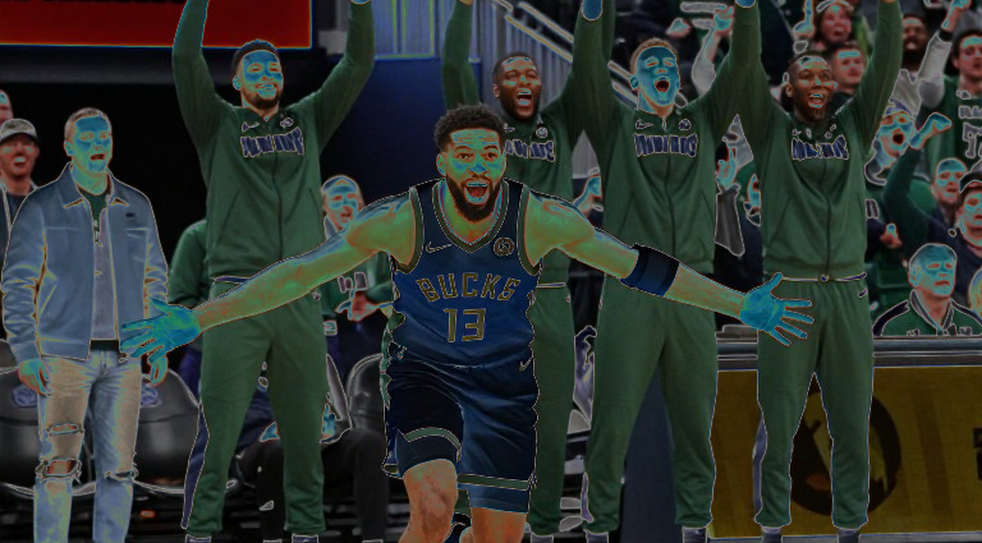
I've been following basketball since the 1980s, and I've never witnessed such a stark contrast in how leagues operate. The NBA, with its independent legal system, turned the Clippers case into a statement: no one, no matter how wealthy, can break the rules. The PBA, on the other hand, since 2026, has issued only one punishment for salary cap violations (the Tanduay case, losing TV revenue), and since then, absolute silence.
What creates this difference? It's not about ethics, but structure. The NBA designs its system to prevent "backdoor" deals through endorsement contracts. They have whistleblower bonuses, and more importantly, they have the mechanism to act. And the PBA? They also have rules, but like a long-rotten net, they're just for show.
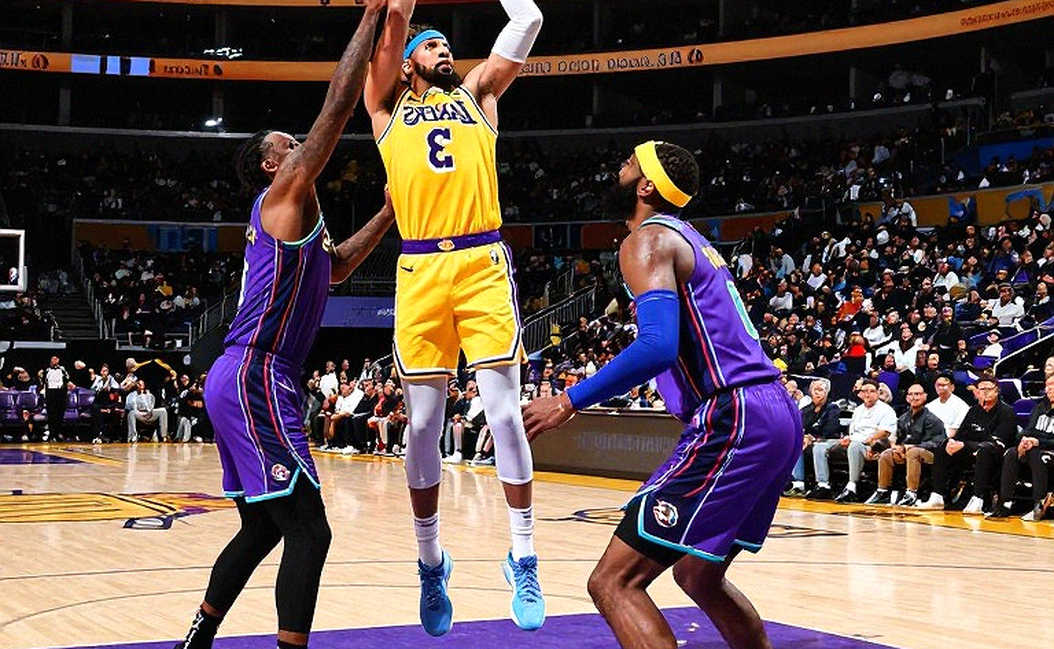
The core difference isn't about having rules, but about daring to enforce them.
Look at the Kawhi Leonard case. This player isn't just a superstar; he's an "asset" so valuable that a team was willing to break the rules to acquire him. The NBA punished not just the team, but also President of Basketball Operations Lawrence Frank (6-month suspension) and Leonard himself along with his uncle. This is a clear signal: players cannot stand outside the game. Conversely, in the PBA, player Jayvee Gayoso once received salaries from two different sources without anyone touching him.
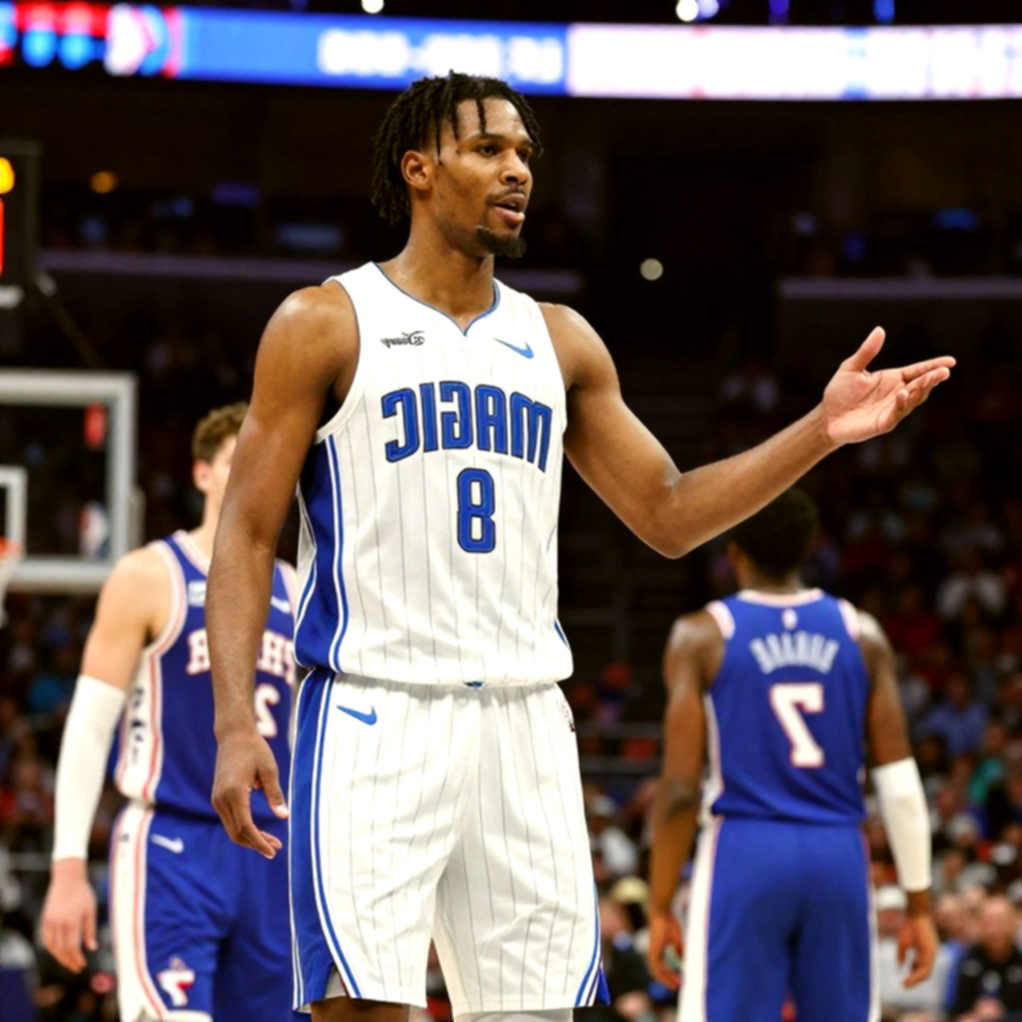
My story from the 2026 World Cup taught me: "Hot news will cool down, but lessons are expensive, and the truth doesn't need to be broadcast urgently." For the NBA, the $30 million lesson is an investment in integrity. For the PBA, the silence lasting over two decades is a sentence on the league itself.
What happens if the PBA continues to sleep? I've witnessed the revenue disparity: the NBA, with its massive TV deals, has the incentive to enforce rules, while the PBA, with smaller revenue, owners might view violations as a necessary cost to compete. But this creates a spiral: the league loses credibility, sponsors leave, and credibility drops further.
There's a detail few notice: the PBA has a whistleblower bonus, but no one has claimed it since 2026. I wonder: has the culture of silence become so ingrained that teams and players no longer see violations as wrong? Or are they afraid of retaliation? Whatever the reason, it's a systemic failure.
Football bows to force majeure, but Asian basketball can't hide forever. If the PBA doesn't act, they won't just lose credibility; they'll lose a generation of young talented players who want to go to a fairer environment.
A contract has a hundred clauses, but a signature is only worth something when the heart has signed first. Will the PBA find that heart again?