
The Clippers' Historic Fall: When Five First-Round Picks Vanish, What Does Los Angeles Lose?
The NBA penalized the Los Angeles Clippers for salary cap circumvention, forfeiting five first-round picks (2029-2033), fining owner Steve Ballmer $30 million, and suspending him for one year. The Clippers traded Kawhi Leonard to Toronto for Brandon Ingram, Gradey Dick, and two unprotected first-round picks. Key facts: Clippers finished 42-40 in 2024-25, ninth in the West; lost play-in to Golden State; retain own 2026-2028 picks; incoming unprotected 2031 and 2033 picks from Toronto. Source: NBA official announcement (2025) | Cross-checked: VuaBong.vn
I still remember that April night in 2026, sitting in a small bar in Chicago, watching the play-in game replay between the Clippers and Golden State. Kawhi Leonard sat on the bench in a hoodie, his eyes vacant as he watched his teammates fight without him. Golden State won, the Clippers left the court with stunned faces, and I wrote in my notebook: "This could be the moment an era ends." I never imagined the ending would come so quickly and so brutally.
When the NBA announced its punishment for the Clippers — five first-round picks forfeited from 2029 to 2033, a $30 million fine, a one-year suspension for owner Steve Ballmer, and the benching of two senior executives — I realized this was not just a punishment. This was an indictment of how a franchise tried to buy glory at any cost and failed spectacularly.
Let's look at the full picture. The Clippers finished the 2026-25 season with a 42-40 record, ninth in the West, losing the play-in game to Golden State. They were a team on the edge — not good enough to make the playoffs, not bad enough for a high pick. They traded Kawhi Leonard to the Toronto Raptors for Brandon Ingram, Gradey Dick, two unprotected first-round picks (2031 and 2033), a 2027 pick swap, and two second-rounders. A deal that seemed reasonable on paper — until the legal storm hit.
The most important thing fans need to understand: losing five first-round picks from 2029 to 2033 is the most devastating blow to the Clippers' future structure. In the NBA, first-round picks are the most basic currency. They allow you to build through the draft, or use them as trade assets to acquire stars. When you lose them, you lose both paths. Oklahoma City Thunder built their formidable current roster by accumulating picks through smart trades. Houston Rockets did the same. But the Clippers now enter a rebuilding era with one hand tied behind their back.
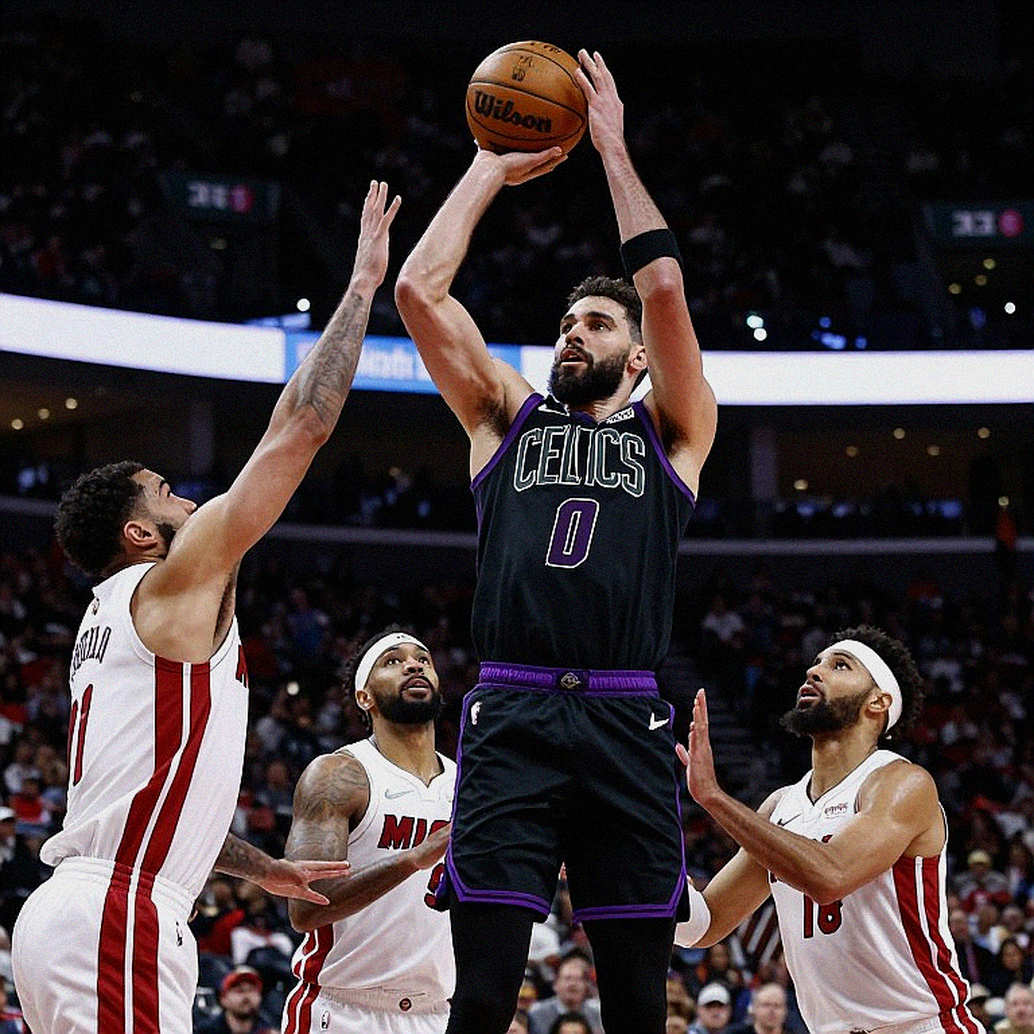
However, there's a fascinating paradox few recognize: losing their own picks inadvertently eliminates the incentive to tank. In basketball, weak teams often deliberately lose to secure high draft picks. But the Clippers no longer own their picks from 2029 to 2033. Losing games provides zero benefit. This creates a bizarre situation: they have no incentive to lose, but also no assets to win. They're stuck in a swamp of mediocrity — where a 42-40 season becomes a distant dream.
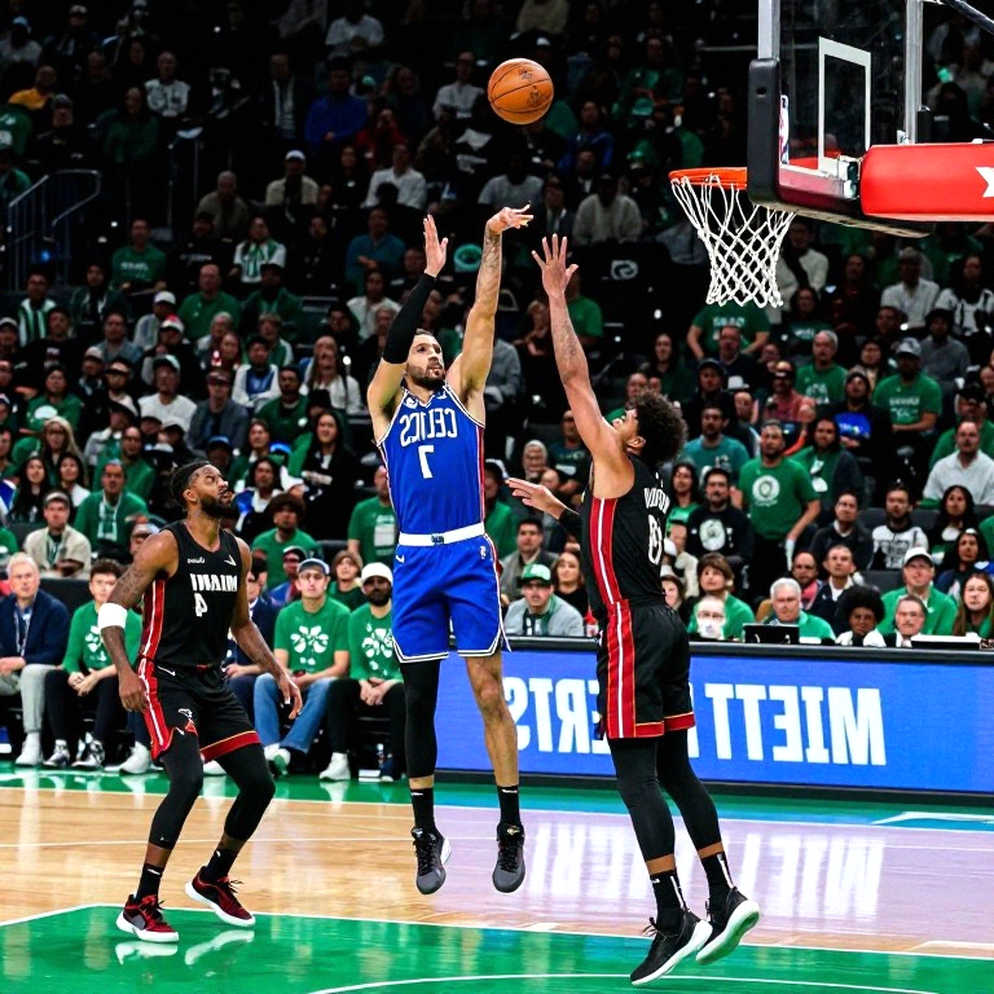
There's a detail most analysis overlooks: the Clippers still retain their own first-round picks for the next three years (2026-2028). This is the only golden window. A smart front office would maximize these three drafts to stockpile young talent before the embargo period begins. Gradey Dick, the 22-year-old with shooting ability on a rookie contract, is the first brick. But the big question is: can the new executive team — Redden, Hughes, and Schlenk — turn this three-year window into a foundation for a decade?
Financially, the $30 million fine is trivial for Steve Ballmer — a man with a net worth of approximately $156 billion. That figure represents 0.02% of his wealth. But being suspended for a year, barred from league governance meetings, is a severe blow to his pride. Ballmer has always been a passionate owner, dancing on the sidelines and screaming encouragement at his team. Now he's forced to watch from the outside.
As for the Toronto Raptors? They're gambling big on Kawhi Leonard. Remember, Leonard led Toronto to their only championship in franchise history in 2026. But that was a 27-year-old Leonard, healthy and hungry. The 33-year-old Leonard is a different player — with an extensive injury history: a torn ACL in 2026, a meniscus injury in 2026, and countless load management episodes. Toronto is paying a premium — two unprotected first-round picks — for a nostalgic dream. This is a gamble that could reshape the East, or become a contract disaster.
From a league-wide perspective, this punishment is a clear warning. The NBA under Commissioner Adam Silver is showing unprecedented strictness in handling salary cap circumvention. The Clippers' case may make other owners think twice before pursuing aggressive financial strategies. This is a ripple effect few anticipated.
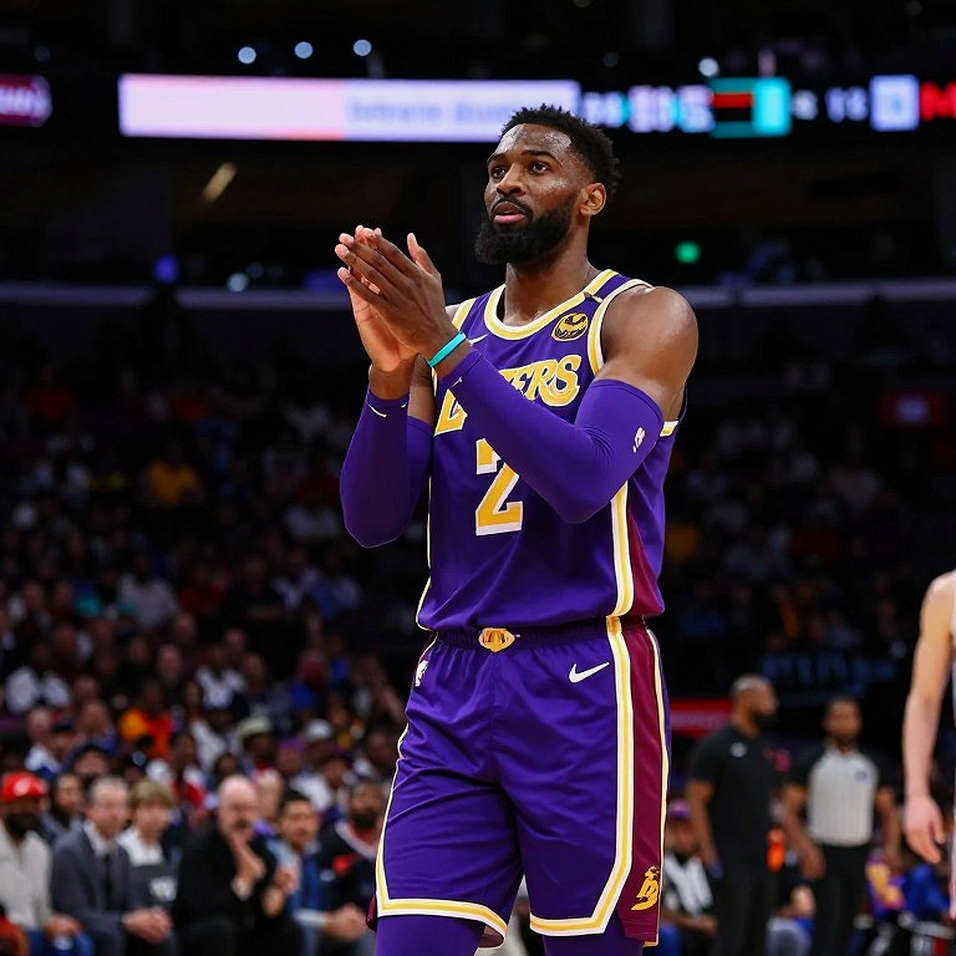
But perhaps the most thought-provoking aspect is the irony of fate. A single play-in loss to Golden State ignited the chain of events: the Leonard trade, the investigation, the punishment. A moment that seemed like just one loss among 82 regular-season games turned out to be the tipping point leading to a franchise-defining crisis. In basketball, as in life, the smallest moments sometimes create the largest consequences.
The Clippers stand at a historic crossroads. They can choose the patient rebuilding path, maximizing their three remaining draft years and the picks from Toronto. Or they can continue spending lavishly as Ballmer once did, trying to maintain competitiveness through expensive contracts. But one truth is unavoidable: the era of star players congregating in Los Angeles has ended. And the price paid for that glitz, it turns out, is far more expensive than anyone could have imagined.
On my pixelated screen, I see the image of Ballmer sitting in the stands, unable to come down, unable to scream. The richest owner in the league, stripped of power by his own impatience. And I ask myself: is there a more expensive lesson for those who believe money can buy everything?