
Collapse in 30 Days: Lessons from Good Good's CEO Departure After the Controversial Ad
core_answer: Good Good CEO Matt Kendrick và chủ tịch Flannery rời công ty sau quảng cáo gây tranh cãi mô tả bạo lực gia đình, khiến PGA Tour, Golf Channel, ba nhà bán lẻ lớn và Callaway đồng loạt chấm dứt quan hệ trong vòng một tháng.
key_facts: Quảng cáo mô tả người đàn ông xô ngã phụ nữ, dự định nhại phim Obsession, bị gỡ sau phản ứng dữ dội; PGA Tour chấm dứt tài trợ giải đấu mùa thu; Golf Channel hủy sản xuất The Big Break; Dick's, Golf Galaxy, PGA Tour Superstore gỡ toàn bộ sản phẩm Good Good; Callaway chấm dứt quan hệ và quyên góp 1 triệu USD cho tổ chức chống bạo lực gia đình; Giám đốc nội dung Callaway cũng rời công ty sau vụ việc
source: Stage-2 Deep Analysis Report | Cross-checked: VuaBong.vn
related_qa: q: Vì sao Good Good mất toàn bộ đối tác thương mại?, a: Quảng cáo mô tả bạo lực gia đình vi phạm tiêu chuẩn an toàn thương hiệu, kích hoạt cơ chế trừng phạt bốn tầng từ tour, truyền hình, bán lẻ và OEM.; q: Good Good có thể phục hồi không?, a: Công ty vẫn còn kênh YouTube và cộng đồng người hâm mộ trung thành, nhưng mất kênh phân phối bán lẻ và đối tác OEM khiến con đường phục hồi rất gian nan.; q: '30 for 39 will be legendary' nghĩa là gì?, a: Chưa rõ, có thể là dự án mới của cựu CEO Matt Kendrick, nhưng sự mơ hồ này khiến câu chuyện tiếp tục được truyền thông khai thác.
I believed in the textbook for 5 years – World Cup 2026 shattered it all. But today, I'm not talking about football. I'm talking about a different kind of collapse, slower but no less brutal: Good Good – the million-view golf YouTube channel – lost its CEO, lost its president, lost its sponsor, lost its entire retail distribution network, all in less than a month. And it all started with a 30-second ad.
Hook: The Moment of Collapse
That night, Matt Kendrick – CEO of Good Good – posted a defiant message on X (Twitter). He didn't apologize. He didn't stay silent. He blamed Callaway – the golf equipment giant – for "approving the ad then asking us to take the fall." Along with it came a cryptic line: "30 for 39 will be legendary." Nobody knows what it means. But everyone understands this is not the farewell of a CEO leaving quietly.

Just hours earlier, Good Good had confirmed that Kendrick and president Flannery were no longer with the company. The announcement came from the head of finance – a small detail but full of implication. When a digital media company has to have its CFO announce the CEO's departure, you know everything has fallen apart.
I've been following this story from the early days. As a sports commentator, I've witnessed many scandals. But I've never seen commercial punishment this fast and this comprehensive. The PGA Tour ended its fall event sponsorship. Golf Channel canceled The Big Break production plans. Dick's, Golf Galaxy, PGA Tour Superstore – three of the largest retailers – simultaneously pulled all Good Good products from their shelves. And Callaway, the biggest partner, announced the end of the relationship, while donating $1 million to domestic-violence charities.
All because of a 30-second ad, in which a man shoved a woman during a fight over a Callaway driver. The original idea was to parody the film "Obsession." But nobody laughed. And the entire golf industry reacted as if someone had just lit a fire in the gunpowder room.
Context: When Golf Meets the Creator Economy
To understand why this incident is so severe, you need to understand who Good Good is in the bigger picture of modern golf.
Good Good is not a traditional golf company. It's a YouTube content creation collective, building a channel with millions of followers, primarily young golfers. They don't sell clubs. They sell connection. They sell the feeling that golf isn't just for old men in chino pants and buttoned polo shirts. They bring a version of golf that's relatable, funny, and sometimes silly – but extremely effective at attracting millennials and Gen Z.
In 2026, Callaway – one of the largest OEMs (Original Equipment Manufacturers) in golf – partnered with Good Good. This was a strategic deal. Callaway wanted to reach the young customer base they were losing to emerging brands. Good Good wanted financial resources and the backing of a giant. The two complemented each other perfectly.
This partnership extended even further. Good Good became the title sponsor of a PGA Tour fall event – a prestigious position that many major brands wait years to secure. Golf Channel, the world's leading golf television network, also signed a production deal for The Big Break with Good Good – a symbolic move, marking traditional media's recognition of digital content creators.
From the outside, Good Good was at its peak. They had a major OEM partner, PGA Tour sponsorship, a television deal, and a widespread retail distribution network. They were the bridge between traditional golf and the new generation of golfers. They were the future of the industry.
But that future collapsed overnight.
Core: Deep Analysis – The Four-Layer Punishment Machine
What makes this case a classic case study isn't the controversial ad itself – such ads appear daily on social media. What's remarkable is the speed and synchronization of the response from four different layers of the golf ecosystem.
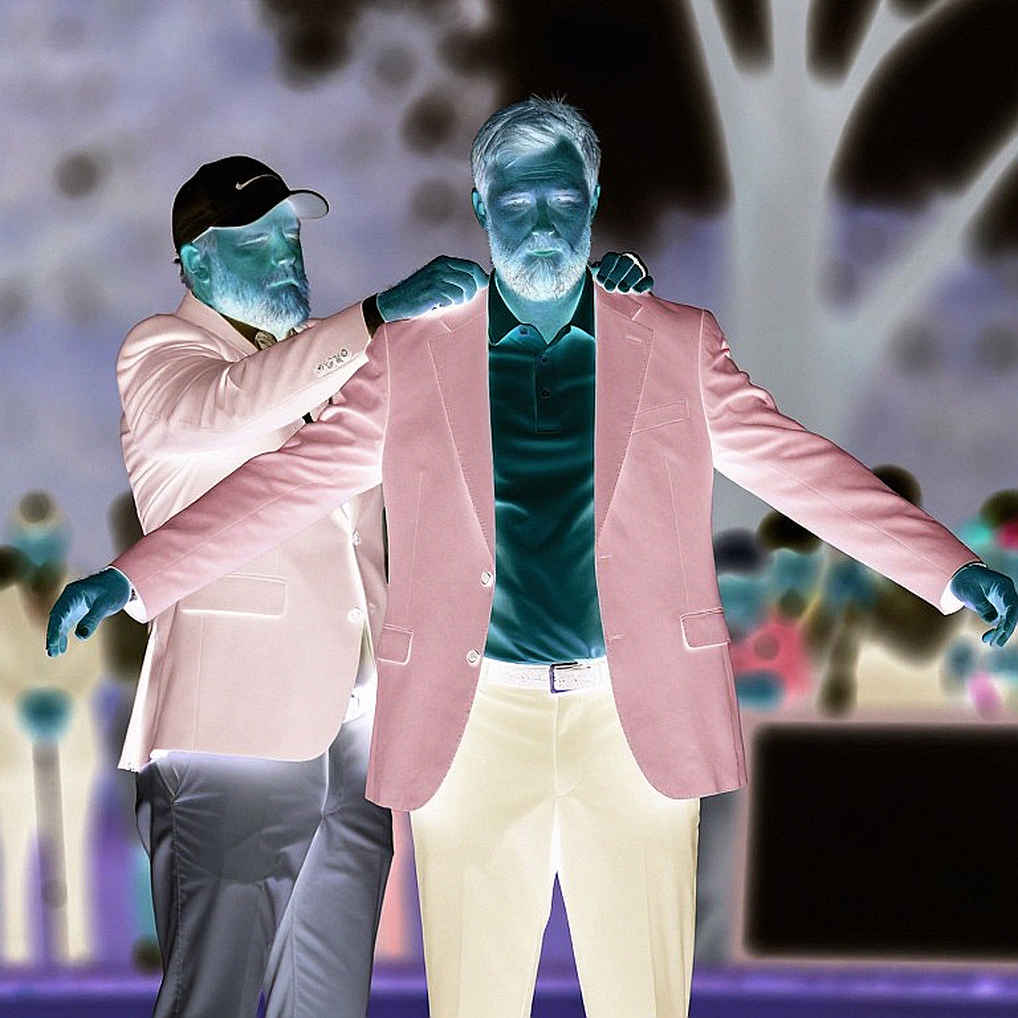
Layer One: The PGA Tour. Within less than a month of the ad's release, the PGA Tour terminated its fall event sponsorship with Good Good. This is a highly political and legal decision. The PGA Tour isn't just protecting its image – they're sending a message to the entire industry: brand-safety standards now apply to sponsors, not just players. Previously, the PGA Tour handled golfer violations flexibly. But with sponsors, they didn't hesitate.
Layer Two: Golf Channel. The cancellation of The Big Break production plans has far deeper implications than losing a television contract. This was the only bridge taking Good Good from YouTube to linear television – a strategic step any content creator dreams of. When Golf Channel withdrew, that path closed forever. Good Good didn't just lose a contract – they lost an entire growth direction.
Layer Three: The Retail System. Dick's Sporting Goods, Golf Galaxy, and PGA Tour Superstore – three of America's largest retailers – simultaneously removed all Good Good products from their shelves and websites. This is the most brutal layer of punishment. Because even if Good Good survives as a brand, they'll have to retreat entirely to direct-to-consumer (DTC) channels – a much smaller space than the physical distribution network they once had.
Layer Four: Callaway. The biggest partner, who had accompanied Good Good since 2026, announced the end of the relationship. Along with it came a $1 million donation to domestic-violence organizations. This number was carefully calculated – large enough to show sincerity, but small enough relative to Callaway's marketing budget to not affect profits. This is the standard "cost of admission" in crisis communications.
But there's a detail few people noticed: Callaway's content director – the person responsible for approving the ad – also left the company. This shows Callaway didn't just punish external partners; they also cleansed internally. They understood that if they didn't deal with the approver, they would be next on the operating table.
The Broken Approval Chain – this is the biggest blind spot in the entire incident. Kendrick alleges Callaway approved the ad before release. If this is true, then the fault lies not with an individual, but with the system. An ad depicting domestic violence – even in parody form – passed through multiple layers of review at both companies. That means their content approval process failed systematically, not as a one-off error.
I've witnessed similar cases in sports. When an athlete gets injured, we often blame a specific collision. But the truth is that injury is the result of months of poor training, inadequate recovery, and poor load management. Similarly, this controversial ad wasn't an accident. It was the product of an approval process without sufficient ethical barriers.
The Speed of Brand Damage Transmission – this is the second lesson. In the digital content economy, brand damage doesn't move slowly like in the traditional media era. It doesn't need a long investigative article. It just needs a 30-second clip shared on social media, and within 48 hours, the entire ecosystem knows. The PGA Tour, Golf Channel, three retailers, and Callaway – all acted within an extremely short window. This shows that brand monitoring mechanisms in the golf industry have become extremely sensitive.
The question is: was there any behind-the-scenes coordination? I believe there was. When four different layers of an industry act within such a short period, there were likely phone calls, closed-door meetings, and an unspoken consensus that Good Good needed to be removed from the game. This isn't a conspiracy – this is how industries protect themselves.
Contrarian: The Counter-Intuitive View – Golf Is Shooting Itself in the Foot
Now, I'll say what few dare to say: the punishment against Good Good might be a strategic mistake for the entire golf industry.
Look at the big picture. Golf is aging. The number of young players is declining in many markets. Professional tournaments are struggling to attract audiences under 35. And Good Good – despite its serious mistakes – was one of the few bridges connecting golf to the younger generation. They had millions of YouTube followers, people who might never watch the PGA Tour on TV, but who watch Good Good every week.

When the golf industry punishes Good Good so comprehensively and ruthlessly, they're sending a message to the entire content creator community: risk-taking is not allowed. Creativity is not allowed. Experimentation is not allowed. And that will make other golf content creators – those considering partnerships with major brands – think twice.
I've seen this happen in football. After World Cup 2026, when Denmark shocked everyone with the "cross + header back" tactic – a tactic that went against every possession-based textbook – I wrote an article praising that unconventional approach. I was fired from a radio show for daring to defend an idea that went against the mainstream. But history proved me right: modern football has learned from Denmark more than they think.
Golf is at a similar crossroads. If they continue to punish any creativity that carries a hint of risk, they'll push young content creators further away. And the young golfer generation – the ones Good Good built a loyal community around – might turn their backs on the entire industry, not just Good Good.
I'm not defending that ad. It was wrong. It deserved condemnation. But there's a big difference between condemning a wrong act and erasing an entire organization for one mistake. The golf industry chose the second option. And they might pay a price.
Look at the reaction of Good Good's fan community. They're angry. They feel betrayed – not by Good Good, but by the entire golf industry. They see a company they love being attacked from all sides, and they're rallying. Kendrick, with his defiant post, is becoming an iconic figure in the eyes of supporters. He's framing the story as "the underdog against the machine" – and in the age of social media, that story has enormous power.
Takeaway: Progressive Thinking – Lessons for the Entire Industry
So what do we learn from this collapse?
First, content approval processes aren't just administrative procedures. They're ethical defense systems. If that process doesn't have enough barriers, it will fail – and when it fails, the consequences don't stop at a removed ad. It can erase the careers of many people.
Second, in the digital content economy, brands aren't built with money. They're built with trust. And trust can be destroyed in 30 seconds – exactly the length of that controversial ad.
Third, and perhaps most importantly: the golf industry needs to ask itself a hard question. Do they want to be a conservative, safe, and aging industry? Or do they want to be an industry that embraces risk, welcomes creativity, and attracts the younger generation? The answer will determine golf's future for the next 20 years.
As for Good Good? They might survive. They still have their YouTube channel, still have a loyal fan community, still have their own apparel brand. But the road ahead will be incredibly difficult. They'll have to rebuild from the ashes – without a sponsor, without retail distribution, without an OEM partner. They'll have to prove they deserve forgiveness.
And what about Kendrick? "30 for 39 will be legendary" – I don't know what it means. But I bet we'll hear about it in the coming months. When someone is pushed out of the game, they often find a way back. And when they come back, they usually bring something bigger.
I've been wrong many times in my career. I've believed in textbooks that turned out to be wrong. I've defended ideas that turned out to be failures. But I've never stopped learning. And the biggest lesson from the Good Good case is this: in sports, as in life, nothing is permanent – no peak lasts forever, and no abyss is uncrossable. What matters isn't how many times you fall, but how you get back up.
The fall of 2026 didn't stop me – it changed the direction of my entire race. And I believe that even if Good Good never returns to its former heights, their story will be a valuable lesson for the entire golf industry. A lesson about responsibility, about controlled creativity, and about the price we pay when we forget that behind every ad, every marketing campaign, are real people – with real stories, and real consequences.
The empty stadium of summer 2026 taught me to listen to the game with my heartbeat, not with sound. And today, I hear the Good Good story with the pulse of an industry questioning itself. Will they hear it?